
Bannock Bread (Bannique): Easy Traditional Indigenous Recipe

Quick summary
Discover bannock bread, an iconic First Nations recipe. Learn how to prepare this easy, nourishing, and historically rich traditional bread, with tips for successfully cooking it in a pan, oven, or over an open fire.
Traditional recipe for indigenous bannock bread
Bannock, also known as Indigenous bread, is an iconic recipe of the Indigenous peoples of North America. Easy to prepare and delicious, it has been passed down through generations and remains an important part of Indigenous culinary culture. This recipe allows you to make a simple, nourishing bannock at home, inspired by First Nations traditions.
🥖 What is Bannock?
Bannock is an unleavened bread made from flour, water, salt, and fat. It was traditionally cooked over a campfire or in a pan, long before the arrival of European settlers. Today, it comes in many forms, sometimes enriched with sugar, raisins, or even cornmeal.

🏕️ Easy Bannock Recipe
Ingredients :
- 2 cups of flour
- 1 tablespoon of baking powder
- 1/2 teaspoon of salt
- 3 tablespoons of fat (butter, lard or oil)
- 3/4 cup of lukewarm water
Preparation :
- In a bowl, mix the flour, baking powder and salt.
- Add the fat and rub the mixture together with your fingers until it resembles coarse breadcrumbs.
- Gradually incorporate the water until a smooth paste is obtained.
- Knead lightly and form a thick disc.
- Cook in a pan with a little oil (5-7 minutes on each side) or in the oven at 180°C (350°F) for 25 minutes.
💡 Tip : For an even more authentic version, try cooking it directly on a hot stone near a campfire!
You can also discover indigenous creations inspired by traditions, such as this hand-crafted talking stick: see the talking stick collection .
🔥 Bannock Variations
- Baked bannock bread : Soft and golden, perfect to accompany stews.
- Bannique over the fire : Ideal for outdoor outings.
- Pan-fried bannock recipe : Quick and crispy.
- Cornmeal bannock bread : A rustic and slightly sweet touch.
🌿 Why Adopt Indigenous Recipes?
Traditional Indigenous recipes are a unique way to reconnect with the history and culture of First Nations. They showcase simple, natural ingredients that are accessible to everyone.
Tips for making a successful traditional bannock
Bannock is a simple and versatile bread. A few simple steps can really improve the final result. The first essential element is the texture of the dough. It should remain soft, slightly sticky, but never too dense. Overworked dough results in a heavier bannock. It's best to mix the ingredients quickly and stop as soon as they are combined. Water should be added gradually to avoid ending up with a dough that is too wet.
Cooking also influences the taste and texture. Moderate heat results in a golden crust and a tender interior. When cooking, bannock is turned frequently to prevent the bottom from burning. Every family has its preferences, making this recipe a symbol of sharing.
Variations on cooking bannock
Bannock can be prepared in several ways depending on the context, traditions and available materials.
Pan-fried bannock
This is the quickest, modern version. The dough is placed in a lightly oiled, hot pan and cooked for a few minutes on each side. The result is a bread that is tender inside and slightly crispy outside.
Baked bannock
This technique results in a more uniform texture, similar to a classic loaf of bread. The dough is spread in a dish and baked until golden brown.
Bannock on the campfire
The traditional method. The dough is either rolled around a stick or cooked on a hot stone. The bannock then takes on a slightly smoky flavor reminiscent of cuisine from the countryside.
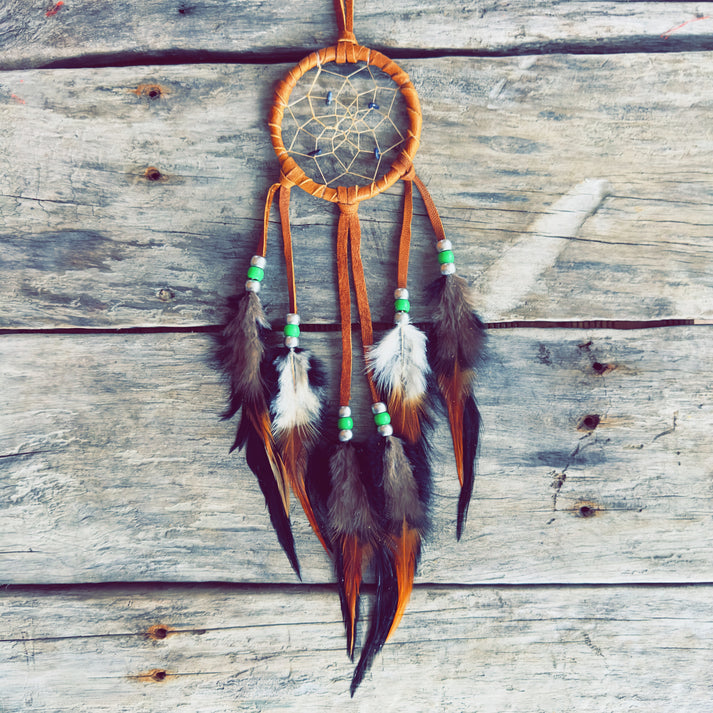
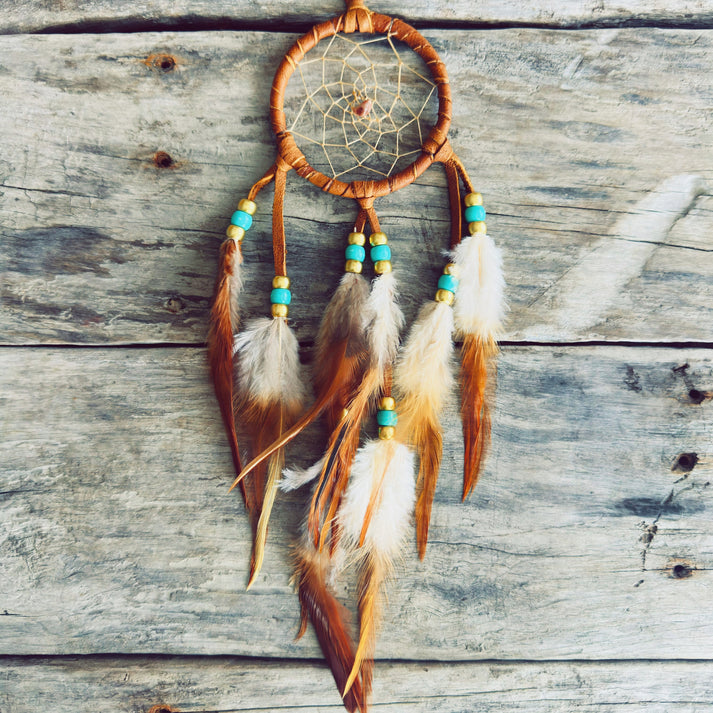
To delve deeper into indigenous traditions, you can also explore how a dreamcatcher works .
Origins and history of bannock
Bannock has become an important culinary symbol in several Indigenous nations of North America. It is believed to have been influenced by exchanges with travellers and early settlers, while adapting to the territory and traditional ways of life.
For many communities, bannock was an essential food source during hunting, trapping, or travel. Easy to prepare, requiring few ingredients, and very nutritious, it has been passed down through generations.
To learn more about the traditions, see the Indigenous Spirituality section of the blog .
🛒 Our Indigenous creations inspired by traditions
If you enjoyed this bannock recipe, you can also surround yourself with Indigenous creations handcrafted in Quebec. At Artisanat Autochtone, you'll find works inspired by First Nations traditions, created with respect and authenticity. Visit the online shop and let Indigenous culture find its place in your everyday life.
📌 Place your order now and savor the authenticity of indigenous culinary traditions!
First purchase
Complement your culinary traditions with objects steeped in history.
Article written by Dave Verreault, an Innu craftsman passionate about sharing indigenous traditions and spirituality.